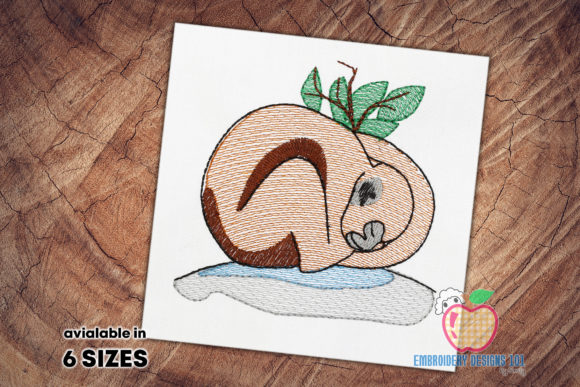
Cute Squirrel Monkey Sleeping: A Designer's Review
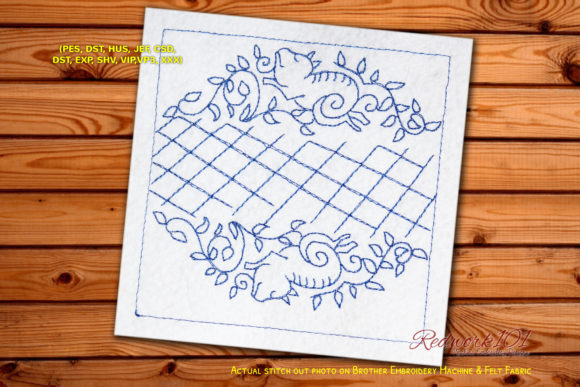
As an embroidery designer who spends countless hours digitizing and testing files for commercial use, I approach every new machine embroidery design with a critical eye. It is not just about whether the image looks pretty on a screen; it is about how that image translates into thread, how it withstands washing, and ultimately, how it serves a small business owner's brand. Today, I am reviewing the Cute Squirrel Monkey Sleeping design. Based on its description as an "amazing quick stitch embroidery design of a wild animal surrounded by nature," this file presents a unique opportunity for boutiques, cafes, and creative studios looking to add a touch of whimsy to their small business merch.
First Impressions and Visual Personality
The title alone suggests a specific vibe: playful, gentle, and approachable. In the world of Wild Animals themed Embroidery, many designs lean towards fierce predators or realistic wildlife portraits. However, a sleeping squirrel monkey offers a softer narrative. My initial assessment is that this design feels handmade and friendly rather than corporate or rigid. The mention of "a great number of colors and techniques" in the product description signals that this is likely a detail-rich piece. For a brand identity, this suggests warmth and creativity. It is the kind of graphic that works exceptionally well for pet brands, florists, bakeries, or any local business that wants to project a community-focused, caring image.
However, the phrase "quick stitch" combined with "great number of colors" creates an interesting tension. Usually, high color counts imply longer run times due to frequent thread trims and changes. As a professional, I interpret "quick stitch" here to mean the stitch density is optimized to avoid excessive bulk, which is crucial for wearable items. The visual personality is undoubtedly decorative and charming, making it a strong candidate for lifestyle products rather than heavy-duty industrial uniforms.
Real-World Business Applications
When evaluating a digital embroidery file for commercial use, I immediately visualize it on various substrates. The Cute Squirrel Monkey Sleeping design shines in specific scenarios:
- Embroidered Patches: This is arguably the best application. A patch allows the intricate details and multiple thread colors to pop against a neutral backing. Small businesses can sew these onto tote bags, denim jackets, or canvas aprons, creating a removable branding element that adds perceived value.
- Cap Embroidery: Placed on the side panel or even the front of a unstructured cotton cap, this design could serve as a delightful logo accent. The sleeping pose fits the curved surface of a cap well, provided the digitizing accounts for the push-and-pull of the fabric.
- Tote Bag Design: For retail shops and markets, a tote bag featuring this nature-themed animal is a perfect eco-friendly giveaway. The "surrounded by nature" elements mentioned in the description would look fantastic on natural canvas or linen fabrics.
- Apron Embroidery: Imagine a floral shop or a boutique bakery where staff wear branded aprons. This design adds a personal, artisanal touch that customers associate with handmade quality, distinguishing the business from big-box competitors.
- Customer Gifts and Event Merch: For Etsy sellers or craft fair vendors, offering a small item like a coin purse or key fob with this design can act as a high-margin add-on purchase.
Technical Considerations and Production Challenges
While the aesthetic appeal is high, the technical execution requires careful attention. The description notes that the design uses "a great number of colors." In a production environment, this is a double-edged sword. More colors mean more thread breaks, more trims, and potentially longer machine time per unit. For a small batch of custom apparel, this is manageable. For large-scale commercial embroidery orders, it might impact profitability unless the pricing model accounts for the complexity.
There are specific areas where this design should be used with caution:
- Small Patch Sizes: If you attempt to scale this down too small for a tiny chest logo, the fine details of the monkey's face and the surrounding nature elements may merge. High stitch density in small areas can lead to a stiff, cardboard-like feel.
- Curved Surfaces: While caps are a good option, the curvature can distort wide designs. Ensure the hoop size is appropriate and that the design has been digitized with pull compensation to prevent the sleeping monkey from looking warped.
- Dark Uniforms: With many colors involved, ensure there is sufficient contrast. If the design relies on subtle shading, it might get lost on black or navy fabrics without an underlay or backing adjustment.
- Frequent Washing: Items like staff uniforms or aprons undergo rigorous washing cycles. Complex outlines and varied thread directions can sometimes lead to fraying over time if the stitch density isn't balanced correctly.
Impact on Brand Identity and Customer Trust
In today's market, visual consistency is key to building trust. Using a cohesive set of design assets helps customers recognize your brand instantly. The Cute Squirrel Monkey Sleeping design contributes to a brand story that values nature, rest, and cuteness. It humanizes a business. When a customer sees a well-executed embroidered patch on a product, it signals quality and attention to detail. It elevates a simple tote bag into a handmade product worth keeping.
Furthermore, the uniqueness of a wild animal motif helps differentiate a business from competitors using generic fonts or clip art. It shows that the business owner invests in unique, licensed artwork. This professionalism fosters buyer engagement and can justify a higher price point for the finished product.
Practical Notes for the Embroidery Professional
Before running this design on a client's order, I recommend a strict testing protocol. First, test it in black and white or grayscale on your monitor to check the contrast and ensure the shapes are distinct without relying solely on color differentiation. Next, verify the stitch density. Run a sample on the actual fabric you intend to use, whether it is twill for a patch or jersey for a shirt.
Pay close attention to the thread colors. Since the design utilizes many hues, ensure you have matching threads in your inventory or factor in the cost of purchasing new cones. Check the spacing between elements; if the nature surroundings are too close to the monkey, they might blend together during stitching. Confirm the required hoop size before hooping your garment to avoid last-minute adjustments.
Always use the proper stabilizer. For a design with significant detail and color changes, a cut-away stabilizer is often safer than tear-away, especially for items that will be washed frequently. Create a printable mockup for your client to approve the placement and size before committing to the final stitch-out. Finally, and most importantly, review the licensing terms. The description mentions "These are not 100," which is ambiguous. You must confirm commercial licensing rights before using this embroidery file for resale or branded merchandise to avoid legal issues.
In conclusion, the Cute Squirrel Monkey Sleeping design is a versatile asset for the right niche. It brings character and charm to custom apparel and accessories. With careful testing regarding stitch count, fabric texture, and color management, it can become a standout element in a small business's product line, bridging the gap between professional branding and heartfelt, handmade appeal.