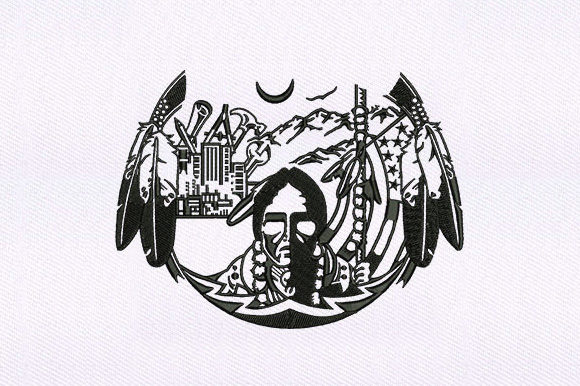
Native Scenery: A Designer's Review for Craft Fair Success
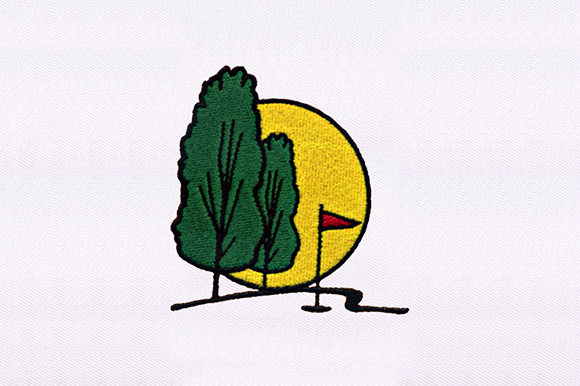
As an experienced embroidery designer preparing for a busy weekend at the local artisan market, my eyes are always scanning for designs that stop customers in their tracks. When I pulled up the Native Scenery digital embroidery file, my immediate reaction was one of grounded elegance. This isn't a cute, cartoonish graphic or a trendy, minimalist line drawing; it feels rustic, decorative, and deeply connected to nature. The title suggests a connection to the land, and given its categorization under Africa, I anticipate rich earth tones and organic shapes that evoke the vast, beautiful landscapes of the continent. For craft fair sellers and handmade shop owners, this type of imagery is gold because it tells a story before the customer even touches the fabric.
First Impressions and Visual Appeal
The first thing I look for in a machine embroidery design intended for commercial use is clarity. Does it read well from three feet away? Native Scenery appears to have the boldness required for a booth display. In a sea of generic floral patterns and overused quotes, a scenery-based design offers a sense of place and tranquility. It feels premium rather than mass-produced. For an Etsy seller or boutique maker, this aesthetic bridges the gap between modern home decor and traditional craftsmanship. The potential color palette—likely involving greens, browns, ochres, and sky blues—allows for incredible versatility across different product lines. It is not just an image; it is a mood setter that can elevate a simple tote bag into a statement piece.
Strategic Product Placement for Maximum Sales
When setting up my table, I am strategic about where I place this design. Not every product is a suitable canvas for a scenic motif. Here is how I would deploy Native Scenery across my inventory:
- Tote Bags and Market Bags: This is the primary candidate. A large-scale version of the design centered on a natural canvas or heavy cotton tote creates an instant tote bag design winner. Customers love carrying art, and a landscape scene looks intentional and high-value.
- Pillow Covers: Home decor is a huge category at craft fairs. Embroidering this onto linen or cotton blend pillow covers adds a touch of global inspiration. The texture of the linen complements the organic feel of the scenery.
- Tea Towels and Aprons: For the kitchen section, a smaller, simplified version works beautifully as tea towel embroidery or apron embroidery. It adds a rustic charm that appeals to buyers looking for unique housewarming gifts.
- Embroidered Patches: If the design holds up at a smaller scale, turning it into an iron-on or sew-on embroided patch is a fantastic low-cost add-on sale. It allows customers to customize their own jackets or bags.
- Caps: While possible, curved surfaces can be tricky with detailed scenery. I would reserve this for structured caps only, ensuring the horizon line of the design remains straight.
Production Realities and Technical Considerations
Before running a batch of fifty items, a professional must assess the technical feasibility of the embroidery file. The provided formats include 10O, ART, CND, DSB, DST, DSZ, EXP, HUS, JEF, PCS, PEC, PES, TAP, VIP, VP3, and XXX, which covers virtually every machine on the market. However, compatibility is just the start. The real question is how the stitches behave on various materials.
Stitch density is a critical factor here. Scenic designs often rely on fill stitches to create depth and shading. If the density is too high, the fabric may pucker, especially on lighter materials like tea towels. Conversely, if it is too low, the backing might show through, ruining the visual impact on dark fabrics. I strongly advise testing the design on scrap fabric identical to your final product. Check how the thread lays on textured towels versus smooth canvas.
Another consideration is the hoop size. Since the specific dimensions are not listed in the product description, you must verify the maximum hoop requirement before purchasing. A large scenic design likely requires a larger hoop, which limits where you can place it on smaller items like pouches or caps. Always confirm the hoop size matches your machine's capabilities.
Photography and Online Listings
For the Etsy seller or digital entrepreneur, the visual appeal of Native Scenery translates exceptionally well to photography. Unlike text-based designs that can get lost in a photo, a landscape image provides immediate context. When creating a printable mockup or staging a photoshoot, use natural lighting to highlight the sheen of the thread against the matte fabric. Earthy backgrounds, wooden props, and dried botanicals will enhance the theme. This design assets helps build a cohesive brand identity focused on nature, travel, or global culture.
Practical Notes for the Handmade Entrepreneur
To ensure your finished product meets professional standards, keep these practical tips in mind during production:
- Thread Contrast: Ensure your thread colors pop against the fabric. If using dark fabric, you may need to adjust the underlay or choose brighter thread shades to prevent the design from disappearing.
- Stabilizer Selection: Scenic designs with varied densities often require a cut-away stabilizer for longevity, especially on items like tote bags that will undergo stress. Avoid tear-away stabilizers for wearables unless the stitch count is very low.
- Fabric Texture: Be cautious with highly textured fabrics like waffle weave or thick terry cloth. Fine details in the scenery may get lost or distort on uneven surfaces.
- Commercial Licensing: Before selling any craft fair product featuring this design, strictly review the license terms. Ensure the purchase includes rights for commercial embroidery and finished goods sales.
- Batch Production: Evaluate if the design is repeatable. Can you hoop multiple items at once? Does it require frequent thread changes? Efficient production is key to maintaining profit margins at a busy market.
Final Verdict for the Booth
In the competitive environment of a handmade market, Native Scenery stands out as a sophisticated choice. It moves beyond the typical "cute" aesthetic into something more substantial and artistic. It appeals to buyers who appreciate the Africa inspired roots of the pattern or simply love the outdoors. By placing this design on high-quality blanks like canvas totes and linen pillows, you signal to customers that your small shop product is made with care and intention.
Ultimately, the success of this design lies in execution. Test your tension, choose your fabrics wisely, and let the natural beauty of the scenery shine through the stitches. With the right presentation, Native Scenery has the potential to be the centerpiece of your booth, drawing in customers who are looking for something meaningful and beautifully crafted.