Red TNT Bombs Design: A Bold Review for Makers
As a designer who spends more time at the hoop than away from it, I approach every new machine embroidery design with a mix of curiosity and caution. We've all bought files that looked fantastic on a screen but turned into a bird's nest of thread breaks and puckering on actual fabric. Today, I'm taking a close look at the Red TNT Bombs Design. This isn't just a quick glance at a thumbnail; this is an evaluation of how this specific graphic holds up when translated into stitches for real-world projects.
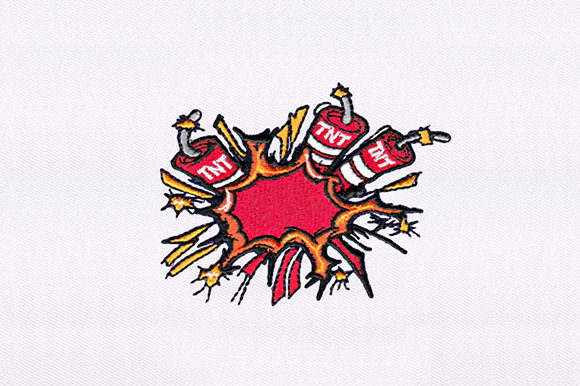
The first thing that strikes me about the Red TNT Bombs Design is its visual personality. It falls squarely into the Toys category, evoking a playful, cartoonish vibe reminiscent of classic video games or animated adventures. The use of red as the primary color suggests energy and urgency, making it a standout piece for anyone looking to add a pop of excitement to their work. However, in the world of Embroidery, bold colors and distinct shapes require careful execution. The design relies heavily on clean lines and solid fills, which generally translates well to stitching, provided the digitizer has accounted for fabric pull and thread tension.
Putting the Design to the Test: A Real-World Scenario
To truly understand the value of this file, I imagined a specific project: a custom order for a local gaming café needing branded merchandise. They wanted durable, eye-catching embroidered patches to sell at their counter and tote bag designs for staff uniforms. The Red TNT Bombs Design seemed like a perfect fit for this "gamified" aesthetic.
When visualizing this on a canvas tote, the bold red shape would contrast beautifully against natural or black fabric. For a patch, the defined edges of the bomb graphic would allow for a tight satin stitch border, ensuring longevity even with frequent handling. If I were an Etsy seller creating a line of "Gamer Baby" clothes, this design could easily be scaled down for a onesie, turning a standard baby embroidery project into something unique and niche. The key here is versatility; a design that works on a heavy denim jacket should ideally adapt well to lighter knits without losing its integrity.
Performance Across Different Fabrics and Products
The true test of any digital embroidery file is how it behaves on different materials. The Red TNT Bombs Design appears to have a structure that favors stable fabrics. On a heavyweight cotton sweatshirt or a twill apron, the fill stitches should lay flat and smooth, creating a professional finished product. The density seems appropriate for these mediums, offering good coverage without excessive bulk.
However, caution is advised when moving to trickier surfaces. If you are planning sweatshirt embroidery on a stretchy fleece, the rigid nature of a bomb shape might restrict the fabric's natural give, leading to discomfort or distortion over time. Similarly, applying this to a curved surface like a cap requires attention. The flat layout of the design might need adjustment or a specific framing technique to prevent the edges from lifting on the structured front panel of a hat. For holiday embroidery gifts, such as stocking cuffs or pillow covers, the design's playful theme fits perfectly, but one must ensure the background fabric isn't too textured, which could obscure the crisp details of the fuse or the bomb's outline.
Critical Considerations for Commercial Use
For craft business owners and creative entrepreneurs, the visual appeal of a design directly impacts customer trust and brand consistency. The Red TNT Bombs Design offers high recognition value due to its iconic shape. In a crowded marketplace, having a clear, readable graphic helps your handmade product stand out in photos and printable mockups.
That said, there are areas where this design demands respect. Small details can be the downfall of a great concept. If the design includes tiny text or very fine connecting lines within the red shape, these may not stitch out clearly on lower-end machines or with certain thread types. It is crucial to inspect the stitch density. Areas that are too dense can cause the fabric to pucker, while areas that are too sparse might show the backing material through, ruining the premium look required for commercial embroidery projects.
Furthermore, consider the color contrast. While the default red is striking, think about how this design performs in black and white or on dark fabrics. Does the outline hold up? Will you need to add a underlay or change thread weights to ensure visibility on a navy blue hoodie? These are the questions that separate a hobbyist from a professional apparel decorator.
Practical Notes for the Studio
Before committing to a production run or listing this as a small shop product, I strongly recommend a few preparatory steps. First, always test the design on scrap fabric that matches your final material. This allows you to check for thread breaks and tension issues without wasting expensive goods. Second, verify the hoop size requirements. Although the file formats provided (including DST, PES, EXP, and others) suggest broad compatibility, the physical dimensions of the design must fit within your machine's capabilities, especially if you are working on smaller items like baby bibs or pocket logos.
Stabilizer choice is another non-negotiable factor. For a design with solid fills like this, a cut-away stabilizer is often safer than tear-away, especially for garments that will undergo frequent washing. This ensures the stitch clarity remains intact over the life of the product. Additionally, review the licensing terms carefully. Just because a file comes in multiple formats like ART, JEF, and VIP doesn't automatically grant commercial rights. Confirm whether you can sell the finished product or if there are restrictions on the number of items produced.
In conclusion, the Red TNT Bombs Design is a spirited addition to any designer's library. Its strong thematic presence makes it ideal for niche markets ranging from gaming accessories to playful children's wear. However, its success relies on the maker's ability to match the design to the right fabric, use appropriate stabilization, and pay attention to the finer details of stitch execution. By treating this file with the technical respect it deserves, you can transform a simple digital asset into a high-value, tangible item that customers will love.