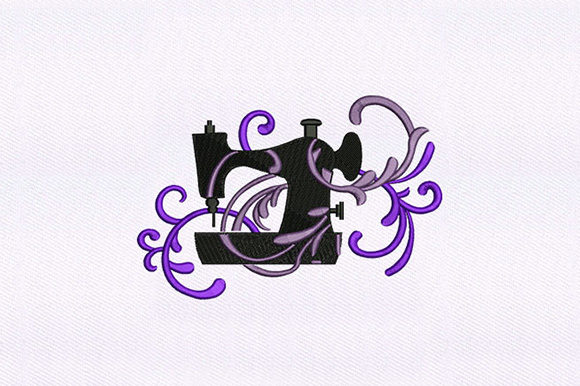
Sewing Machine Embroidery Design Review for Gifts
As an embroidery designer who has spent years testing digital files for a bustling personalized gift shop, I approach every new machine embroidery design with a critical eye. It is not just about whether the stitches look good on the screen; it is about how that design translates to a tangible, cherished item in a customer's hands. Recently, I put the Sewing Machine design through its paces, envisioning it as the centerpiece for a range of custom orders. This review is written for fellow Etsy sellers, craft fair vendors, and small business owners who need to know if a specific file is ready for commercial production.
First Impressions: Charm and Emotional Appeal
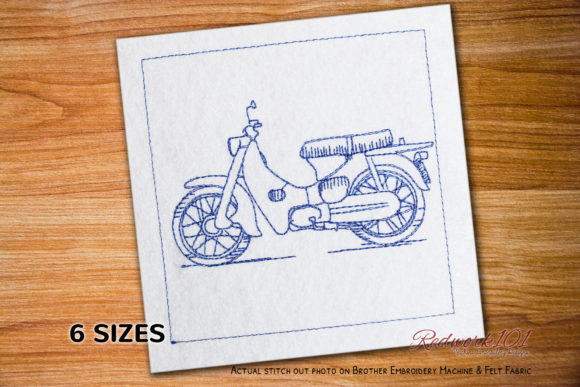
When I first loaded the Sewing Machine file into my editing software, the immediate impression was one of nostalgic warmth. There is something inherently sweet and classic about a sewing machine motif; it speaks directly to the heart of the maker and the recipient. The design feels handmade, even before a single thread hits the fabric. It carries a mood that is both playful and elegant, making it versatile enough for a whimsical nursery item or a sophisticated wedding keepsake.
The detail level appears robust without being overly dense. For a personalized gift, emotional connection is everything. This design taps into the heritage of crafting, appealing to customers who value tradition. Whether it is a grandmother gifting a blanket to a new grandchild or a bride thanking her seamstress, the Sewing Machine motif bridges the gap between utility and art. It feels modern enough for today's trends but rooted in a timeless aesthetic that rarely goes out of style.
Versatility Across Product Lines
In my shop, versatility is key to maximizing return on investment for any digital embroidery file. The Sewing Machine design shines across a surprising variety of applications. I immediately pictured it as a focal point for baby embroidery projects. Imagine a soft muslin swaddle or a structured nursery pillow cover featuring this icon, perhaps accompanied by the baby's name in a complementary script font. It creates an instant theme for a sewing-themed nursery.
Beyond the nursery, this design is a powerhouse for kitchen linens. An embroidered towel or a custom apron makes a thoughtful housewarming or wedding gift. The imagery aligns perfectly with the function of the product, adding a layer of wit and charm. For wedding gift designers, consider stitching this onto a tote bag filled with bridal party favors or a ring bearer's pillow. It also works beautifully on home decor items like cushion covers or wall hangings in a craft room.
For those selling at craft fairs, this design offers a quick turnaround for small shop products. It is recognizable and appeals to a broad demographic, from young crafters to experienced quilters. As a handmade product, it elevates a simple tote bag into a statement piece that celebrates the joy of creating.
Navigating Technical Challenges and Fabric Choices
While the design is charming, practical application requires careful consideration of materials. Not all fabrics behave the same way under the needle. When planning to use the Sewing Machine design on textured fabric, such as a waffle-weave towel or a thick terry cloth, one must be cautious. The intricate details of the machine illustration might get lost or distorted if the fabric pile is too high. In these cases, I recommend using a cut-away stabilizer to provide a firm foundation and prevent the stitches from sinking.
Stretchy baby clothes present another challenge. If you are applying this to a onesie or a stretchy knit blanket, the stitch density becomes a crucial factor. High density can cause puckering or restrict the stretch of the garment, making it uncomfortable for an infant. Always test on scrap fabric of the same weight and stretch before committing to a final finished product. Additionally, curved surfaces, like the pocket of an apron or the side of a cylindrical pillow, require precise hooping to ensure the design does not skew.
Color contrast is vital for visibility. On dark fabric, the light threads of the sewing machine design will pop, but you must ensure the underlay is sufficient to prevent the dark background from showing through the lighter stitch areas. Conversely, on light fabrics, ensure your thread colors are rich enough to define the shapes clearly. Before running a production batch, compare light and dark fabric mockups to see how the design reads in different contexts.
Essential Pre-Production Checklist
To ensure quality control and customer satisfaction, I adhere to a strict checklist when introducing a new file like Sewing Machine to my inventory:
- Test on Scrap Fabric: Never skip this step. Verify how the design interacts with your specific material.
- Check Thread Color Contrast: Ensure the design stands out against the chosen background color.
- Confirm Hoop Size: Verify the design fits within your available hoop dimensions without needing excessive re-hooping.
- Review Stitch Density: Assess if the density is appropriate for the fabric weight to avoid stiffness or puckering.
- Use Proper Stabilizer: Match the stabilizer type (cut-away, tear-away, water-soluble) to the fabric and end-use.
- Inspect Small Details: After stitching, closely examine fine lines and small elements to ensure they formed correctly.
- Verify Licensing: Confirm commercial licensing terms before selling items made with this commercial embroidery file.
Enhancing Perceived Value and Customer Trust
The ultimate goal of any custom embroidery project is to create a product that feels valuable and special. The Sewing Machine design contributes significantly to the perceived value of an item. Because the subject matter resonates with the act of creation, it tells a story. When a customer receives a pillow cover or tote bag with this design, they perceive it not just as a commodity, but as a thoughtful, curated handmade product.
This emotional resonance boosts buyer engagement. In product photography, this design photographs exceptionally well. The clean lines and recognizable shape make for striking images on social media or Etsy listings. A well-stitched Sewing Machine motif signals attention to detail, which builds customer trust. It assures the buyer that the seller cares about quality, encouraging repeat business and positive reviews.
Furthermore, offering a printable mockup or a preview of how this design looks on various items can help customers visualize the final result, increasing conversion rates. Whether it is for a baby shower registry or a corporate gift for a textile company, the right design choice transforms a standard item into a memorable keepsake.
Final Thoughts on File Compatibility
One of the strengths of this specific package is the extensive range of embroidery file formats provided, including DST, PES, EXP, JEF, and many others like ART, CND, and VIP. This compatibility ensures that regardless of the machine brand in your workshop, you can likely utilize this design. However, always double-check the specific version compatibility with your machine's software. While the file formats are comprehensive, details such as exact stitch count or specific hoop recommendations were not explicitly detailed in the product metadata I reviewed. Therefore, I strongly advise checking these parameters within your own embroidery software before beginning a large order.
In conclusion, the Sewing Machine design is a delightful addition to any designer's library. It balances aesthetic charm with practical application, making it ideal for baby embroidery, wedding favors, and everyday sewing accessories. With proper testing and attention to fabric selection, it has the potential to become a bestseller in your small business, delighting customers with its timeless appeal and high-quality finish.