Skeleton Sign Review: A Spooky Stitch for Halloween Projects
As an embroidery designer who spends countless hours digitizing and stitching out designs for clients, I approach every new download with a critical eye. When I stumbled upon the Skeleton Sign on Creative Fabrica, my immediate thought was not just about its cuteness, but about its viability for real-world commercial projects. With the Halloween season approaching, finding a design that balances thematic flair with technical stability is crucial for anyone selling custom apparel or handmade goods. This review breaks down how this specific machine embroidery design performs when moved from the screen to the hoop.
First Impressions and Visual Mood
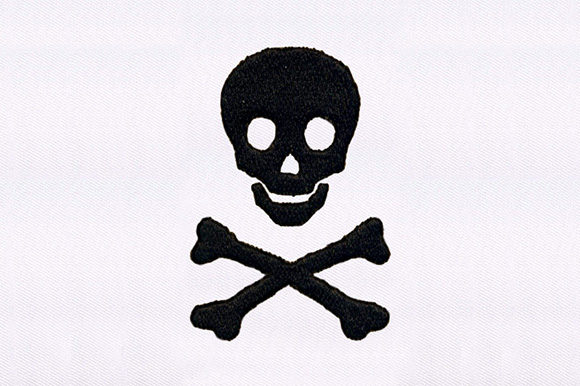
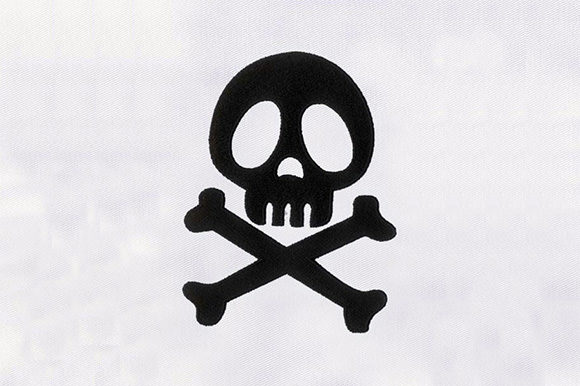
The first thing that strikes me about the Skeleton Sign is its playful yet slightly eerie aesthetic, which is perfect for the Halloween market without being too graphic for family-friendly products. The visual mood suggests a whimsical take on the macabre, likely featuring bold lines and clear shapes that translate well into thread. For a designer, the "stitching personality" of a file is just as important as the image itself. Does it look like it will puddle? Is the density appropriate? From the preview, the design appears to have a solid structure, suggesting a mix of satin and fill stitches that should provide good coverage.
This kind of decorative appeal naturally fits a wide range of items. It is not limited to just spooky decor; the sign motif allows it to be used on everyday carry items like tote bags or even kitchen textiles where a touch of seasonal humor is welcome. The clarity of the design elements suggests it would hold up well even when scaled down slightly for smaller applications like patches or pocket details on sweatshirts.
Performance in Real Embroidery Projects
When considering this embroidery file for actual production, versatility is key. I can easily envision using the Skeleton Sign for a variety of custom apparel orders. Imagine a black hoodie with this design stitched in bright orange or neon green thread on the back; the contrast would be striking. For Etsy sellers and boutique owners, this design could be the centerpiece of a limited-edition fall collection.
Beyond clothing, the potential for home goods is significant. A tote bag design featuring this skeleton motif would sell quickly at craft fairs. It also works beautifully on kitchen towels or aprons, adding a festive touch to holiday hosting. For those creating personalized gifts, this design could be paired with a name or date, provided there is enough space in the layout or if the designer adds their own lettering nearby. The adaptability of the Skeleton Sign makes it a strong candidate for commercial embroidery runs where consistency across multiple items is required.
For digital product sellers, the high-quality render of this design can serve as an excellent base for printable mockups. Showing customers exactly how the finished product will look on a dark fabric versus a light one can significantly boost conversion rates. The design assets provided are intended to create tangible value, and seeing them applied to finished products like pillow covers or nursery decor helps buyers visualize the end result.
Technical Considerations for Stitching
While the aesthetic is promising, a professional review must address the technical realities of stitching. One major factor is the hoop size. Although the specific dimensions are not listed in the brief description, designers must always check the product page to ensure the design fits their available hoops, especially if working with smaller machines or aiming for placement on tricky areas like cap fronts.
Stitch density is another critical element. If the Skeleton Sign utilizes heavy fill stitches, it may require careful attention when working on stretchy fabrics like jersey knits used in t-shirts or baby items. In such cases, using a high-quality cut-away stabilizer is non-negotiable to prevent distortion after washing. Conversely, if the design relies heavily on satin stitch columns, ensuring the underlay is sufficient will prevent the edges from fraying over time.
Working with textured fabrics, such as Terry cloth for towels or fleece for sweatshirts, presents its own challenges. The detailed nature of a skeleton figure means that tiny lettering or fine bone details could get lost if the fabric pile is too high. I recommend running a test stitch-out on scrap fabric that mimics your final material. This allows you to inspect small details and adjust tension or density settings if your machine permits.
Furthermore, consider the surface you are stitching on. Curved surfaces, like those found on baseball caps, can distort designs if they are too wide or dense. If you plan to use the Skeleton Sign for an embroidered patch or a hat, verify that the design width is within the safe stitching area of your cap frame. Always compare how the design looks on both light and dark fabric mockups; thread color contrast is vital here. A white skeleton on a white shirt will vanish, so planning your thread colors strategically is part of the design process.
Impact on Product Value and Brand Trust
Using a well-executed design like the Skeleton Sign can directly affect your brand's perceived value. High-quality stitching builds buyer trust. If a customer receives a handmade product where the stitches are clean, the density is balanced, and the theme is on-point, they are more likely to return for future purchases. Consistency in your brand presentation is easier to achieve when you start with reliable digital embroidery files.
The "giftability" of an item often hinges on its visual appeal. A tote bag or pillow cover featuring this design feels thoughtful and timely, making it an easy sell during the autumn season. Moreover, engaging product photography that highlights the texture and dimension of the embroidery can drive customer engagement on social media and online marketplaces. The unique character of the Skeleton Sign offers a fresh alternative to generic store-bought decorations, allowing crafters to offer something truly unique.
Final Thoughts and Best Practices
Before committing to a large run of products featuring the Skeleton Sign, there are several practical steps every embroiderer should take. First, always test on scrap fabric to gauge how the specific stitch types—whether satin stitch, fill stitch, or running stitch—interact with your chosen material. Second, confirm the file details and licensing terms on the Creative Fabrica product page. While this design is marketed for commercial use, understanding the specific limits ensures you stay compliant.
The availability of multiple formats including DST, PES, EXP, JEF, and XXX indicates broad machine compatibility, which is a huge plus for shops with mixed equipment. However, never assume a file is perfect straight out of the download. Inspect the stitch path in your editing software if possible, and be prepared to make minor adjustments for your specific setup.
In conclusion, the Skeleton Sign appears to be a versatile and charming addition to any Halloween-themed collection. Its potential applications range from sweatshirt embroidery to decorative home accents, offering ample opportunity for creative entrepreneurs to expand their inventory. By paying attention to stabilizer choices, thread contrasts, and fabric types, you can transform this digital asset into a best-selling physical product. As with any applique design or complex motif, the difference between a good result and a great one lies in the preparation and the care taken during the stitching process.