Textile Quilt Pattern Review for Boutique Apparel
As an embroidery designer constantly scouting for designs that elevate a basic garment into a boutique piece, I recently spent time analyzing the Textile Quilt Pattern available on Creative Fabrica. When you are building a collection for a small clothing brand or preparing Etsy listings, the difference between a homemade look and a professional finish often comes down to the quality of your machine embroidery design. This specific file, categorized under Intricate Cuts, immediately caught my eye for its potential in creating high-value custom apparel.
Visual Personality and Stitching Mood
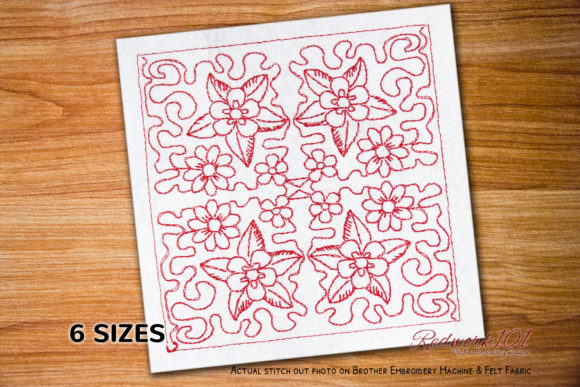
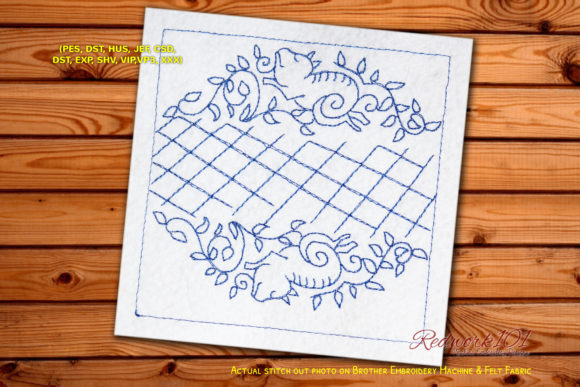
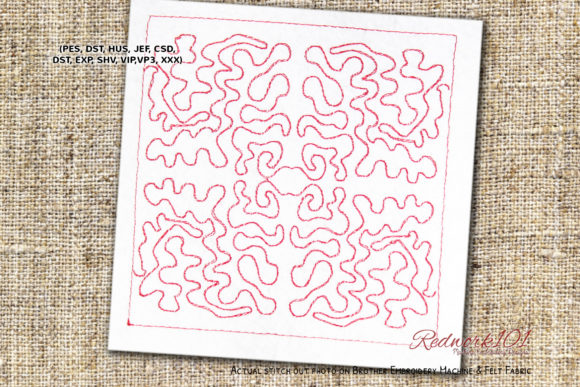
The first impression of the Textile Quilt Pattern is one of structured elegance. It carries a "Bluework" aesthetic that feels both rustic and refined, reminiscent of traditional textile arts but updated for modern fashion. The visual mood is calm yet detailed, offering a decorative strength that works exceptionally well on neutral backgrounds. Unlike overly playful or cartoonish motifs, this design leans towards a classic, timeless appeal.
The pattern suggests a premium feel, ideal for brands aiming for a cozy, artisanal identity. The intricate nature of the cuts provides a texture that mimics actual quilting, adding depth to flat fabrics. For a boutique brand, this kind of visual consistency helps establish recognition; customers begin to associate that specific textured look with your label. Whether you are aiming for a feminine touch on a pastel hoodie or a bold statement on dark denim, the design's versatility allows it to adapt without losing its core character.
Applying the Design to Sweatshirts and Hoodies
In my hypothetical launch of a winter collection, the Textile Quilt Pattern shines brightest on sweatshirt embroidery projects. Imagine placing this design on the chest of an oversized, heather-grey hoodie. The contrast between the soft fleece and the defined stitches creates a tactile experience that buyers love. For a hoodie design intended for social media graphics, the texture of this pattern photographs beautifully, adding dimension to printable mockup images that flat prints simply cannot achieve.
For sleeve accents, the pattern can be scaled down to create a subtle detail that encourages closer inspection. However, when considering back designs, the scale must be managed carefully. A large-scale application on the back of a heavy cotton sweatshirt can serve as a stunning focal point, turning a basic garment into a statement piece. The "Box Stitch" mentioned in the product details offers an interesting variable; since it is optional, it allows us to customize the density based on the garment weight. On lighter t-shirts, omitting the box might prevent puckering, while on thick fleece, including it adds necessary structure.
Versatility Across Different Garments
Beyond hoodies, this embroidery file holds promise for various finished product types:
- Tote Bags: The durability of the stitch pattern makes it perfect for canvas totes, where the "quilted" look enhances the handmade product vibe.
- Denim Jackets: The bluework tones complement indigo fabrics naturally, creating a monochromatic yet textured look that is very trendy.
- T-Shirt Embroidery: On jersey knits, this design requires careful stabilization, but the result is a high-end logo placement that elevates the perceived value of the shirt.
- Cozy Seasonal Outfits: Think loungewear sets or matching family pajamas; the pattern adds a festive but sophisticated touch.
Technical Considerations for Production
While the aesthetic potential is high, executing the Textile Quilt Pattern requires technical diligence. As a professional, I always advise testing on scrap fabric first, especially when dealing with Intricate Cuts. The stitch density appears moderate to high, which is great for coverage but risky on stretchy fabrics. When working with ribbed cuffs or collars, one must ensure the stabilizer choice is robust enough to prevent distortion during the wash cycle.
Placement is another critical factor. On curved surfaces like the shoulder of a raglan sleeve, the rigid geometry of the quilt pattern might warp if not hooped correctly. Confirming the hoop size before purchasing is essential, as some larger variations of this pattern may require re-hooping or a specific machine capability. Furthermore, the product description notes that the color of the outer box varies unless it is part of the design itself. This means you have the freedom to swap thread colors to match your brand palette, but you must manually adjust the sequence in your embroidery software if the default doesn't suit your fabric texture.
Enhancing Brand Identity and Buyer Trust
Using a distinctive design like the Textile Quilt Pattern directly impacts buyer trust. When a customer sees consistent, high-quality embroidery across your small shop product line, it signals professionalism. It moves the perception from a hobbyist operation to a legitimate commercial embroidery business. The visual recognition of a unique stitch pattern can become a signature element of your brand, much like a logo, fostering customer engagement and loyalty.
For Etsy sellers and digital entrepreneurs, the presentation of these items in lifestyle photos is key. The texture provided by this design catches light differently than screen printing, making your product photos stand out in a crowded feed. This visual appeal can justify a higher price point, as the labor and skill involved in machine embroidery are evident to the discerning eye.
Final Designer Notes and Licensing
Before integrating the Textile Quilt Pattern into your production line, there are a few housekeeping items to address. Since the specific stitch count, exact file formats, and precise license terms were not fully detailed in the brief overview, it is vital to visit the Creative Fabrica product page to confirm these details. Ensure the license covers commercial embroidery if you plan to sell the physical garments. Check if the file includes multiple sizes or if you need to resize it yourself, keeping in mind that resizing intricate designs can affect stitch integrity.
Always test on a similar garment fabric to what you intend to sell. If you are using a heavy fleece, ensure your needle and thread weight match the density of the design. Review the thread color contrast against your garment choices; sometimes a tone-on-tone approach looks more luxurious than high contrast. By taking these precautions, the Textile Quilt Pattern can become a cornerstone of your next successful apparel collection, blending traditional craft aesthetics with modern boutique style.