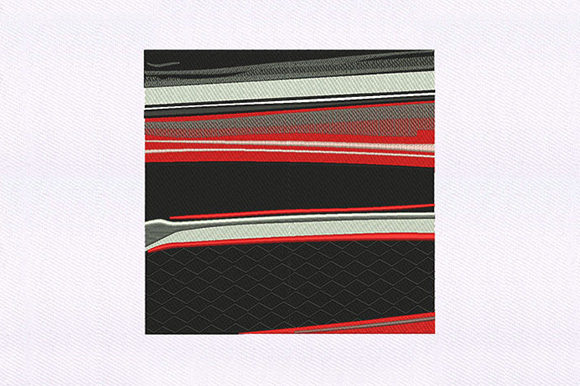
Abstract Quilting Design Review for Business Merch
As an embroidery designer who has spent years digitizing logos and refining assets for small business owners, I approach every new machine embroidery design with a critical eye. It is not just about whether a pattern looks pretty on a screen; it is about how it performs on a cap front, how it holds up on a washed apron, and whether it elevates a brand's identity. Today, I am reviewing the Abstract Quilting Design, a versatile file that bridges the gap between traditional textile art and modern branded merchandise. While this asset is categorized under Bedroom and Embroidery, its potential extends far beyond home decor into the realm of professional custom apparel and boutique product lines.
First Impressions: A Blend of Rustic Charm and Modern Elegance
Upon loading the digital embroidery file, the first thing that strikes me is the visual personality of the piece. The title suggests a texture-rich aesthetic, and the preview confirms a look that feels both handmade and premium. For a creative studio, a local bakery, or a florist looking to distinguish their staff uniforms, this design offers a friendly yet sophisticated vibe. It avoids the rigid, corporate feel of standard vector logos, instead offering an organic flow that speaks to quality craftsmanship. This "handmade product" aesthetic is currently trending among Etsy sellers and merch creators who want their brands to feel approachable and authentic rather than mass-produced.
The design appears to rely on varied stitch directions to mimic the look of quilted fabric. This creates a sense of depth and tactile interest that flat designs often lack. For businesses in the lifestyle or wellness sectors, this visual warmth can significantly boost customer trust and engagement. When a client sees this level of detail on a tote bag or a product label, they immediately perceive higher value in the finished product.
Real-World Applications for Small Business Merch
The true test of any embroidery file is its versatility across different substrates. Here is how I see the Abstract Quilting Design performing in real commercial embroidery projects:
- Embroidered Patches: This is arguably the strongest use case. The abstract nature of the quilting pattern makes it an ideal candidate for iron-on or sew-on patches. Boutique owners can use these as removable branding elements on denim jackets or canvas bags, allowing customers to customize their own gear.
- Staff Uniforms and Aprons: For a café or craft shop, apron embroidery needs to be durable but stylish. This design works beautifully as a chest pocket accent or a sleeve detail on work shirts. It adds a touch of elegance without overwhelming the uniform.
- Tote Bag Design: Canvas totes are a staple for market vendors. The textured look of this design complements the natural weave of canvas fabric, creating a cohesive handmade presentation that resonates with eco-conscious buyers.
- Cap Embroidery: While possible, this requires careful placement. On a structured cap, the design could serve as a side-panel accent or a back-tab detail, adding a unique flair to standard headwear.
- Product Packaging Accents: Beyond clothing, this design can be stitched onto fabric tags attached to product packaging, serving as a high-end seal of quality for handmade goods.
Critical Considerations for Production
While the aesthetic appeal is high, a professional reviewer must address the technical challenges. The Abstract Quilting Design features complex stitch patterns that demand attention to detail during production. Here are the areas where you need to exercise caution:
- Stitch Density and Fabric Texture: Quilting-style designs often have high stitch density to achieve that padded look. If you are stitching this on lightweight fabrics or items that need frequent washing, there is a risk of puckering. Always test on the actual fabric texture you intend to use.
- Small Patch Sizes: If scaling this down for a tiny label or a small patch, the fine details of the abstract lines may merge together. It is crucial to check if the design remains legible at smaller dimensions before committing to a large run.
- Curved Surfaces: Applying this to cap fronts or curved pockets requires a skilled operator. The abstract lines must follow the curve of the garment correctly, or the design will look distorted.
- Thread Colors: The success of this design relies heavily on thread colors and contrast. On dark uniforms, ensure you have enough underlay and contrasting top thread to make the quilting effect pop. Monochromatic schemes can look elegant, but low contrast might render the design invisible from a distance.
Enhancing Brand Identity and Customer Perception
In the competitive landscape of small business merch, consistency is key. Using a distinctive asset like the Abstract Quilting Design helps build a recognizable brand identity. Unlike generic clipart, this design suggests that a business invests in quality and detail. When customers receive a gift or purchase an item featuring this embroidery, it reinforces the perception of professionalism and care.
For handmade brands, this design acts as a visual bridge between the maker and the buyer. It says, "This was made with intention." Whether used as a logo accent on a work shirt or a decorative element on a limited-edition tote, it increases the perceived value of the item, allowing businesses to justify higher price points for their custom apparel and accessories.
Practical Designer Notes for Commercial Use
Before you load this file into your machine for a client order, I recommend following these practical steps to ensure a flawless finished product:
- Test in Black and White: Before selecting your full color palette, stitch a sample in black and white to verify that the stitch structure and spacing are sound without the distraction of color.
- Verify Hoop Size: Check the specific dimensions of the design against your available hoop size. Ensure your frame can accommodate the full extent of the abstract pattern without cutting off edges.
- Stabilizer Selection: Given the potential density of quilting designs, use a robust stabilizer. Cut-away stabilizer is often safer for items that will undergo frequent laundering, while tear-away might suffice for decorative-only pieces.
- Create a Printable Mockup: Before stitching, create a printable mockup to show your client. Place the design digitally on a photo of the intended garment to confirm placement and scale.
- Review File Formats: This design comes in a wide array of formats including DST, PES, EXP, JEF, and XXX. Ensure you select the correct embroidery file format for your specific machine model to avoid read errors.
- Check Licensing: Always confirm the commercial licensing terms before using this design for commercial embroidery projects intended for resale.
In conclusion, the Abstract Quilting Design is a powerful tool for small business owners and decorators looking to add texture and sophistication to their product lines. With careful attention to fabric choice, stabilization, and scaling, it can transform simple blanks into premium branded assets that drive customer loyalty and elevate your brand's visual story.