Yellow Smiling Emoji Design Review for Business Merch
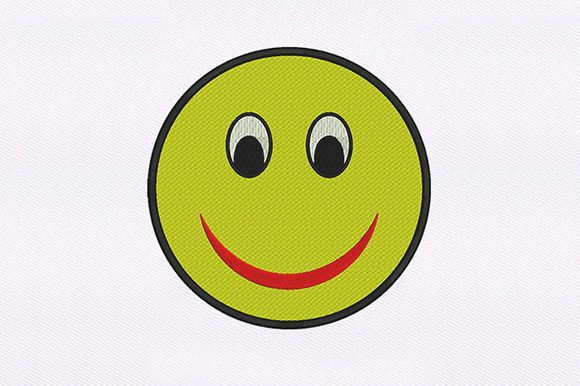
As an embroidery designer who has spent years digitizing logos and refining assets for small business merchandise, I approach every new machine embroidery design with a critical eye. It is not just about whether a file looks cute on a screen; it is about how that digital embroidery file translates into a tangible finished product that builds brand trust. Today, I am reviewing the Yellow Smiling Emoji Design, a versatile asset that holds significant potential for cafes, boutiques, creative studios, and handmade brands looking to inject personality into their custom apparel and branded goods.
Upon first inspection, the Yellow Smiling Emoji Design exudes a friendly, bold, and modern aesthetic. In the current market, where consumers crave authenticity and approachability, this design hits the mark. It feels less like a rigid corporate logo and more like a warm handshake. For businesses in the food service industry, such as bakeries or local coffee shops, this playful vibe can soften the professional edge of a uniform, making staff appear more accessible to customers. However, from a technical standpoint, the simplicity of an emoji requires precise execution to avoid looking amateurish. The challenge lies in maintaining that clean, vector-like look when translating it into thread.
Real-World Applications for Small Business Merch
The true value of the Yellow Smiling Emoji Design emerges when we consider its application across various small business merch categories. For a florist or a pet brand, this design serves as an excellent embroidered patch that can be sewn onto tote bags or aprons. Patches are particularly effective because they allow for high-density stitching without worrying about the fabric puckering, ensuring the yellow remains vibrant against various backgrounds.
Consider a boutique clothing store wanting to create a limited run of branded denim jackets. Placing this design as a chest logo accent or a sleeve detail adds a touch of whimsy that resonates with younger demographics. Similarly, for a creative studio hosting workshops, using this motif on apron embroidery creates a unified team look that feels inviting rather than sterile. The design also works exceptionally well on cap embroidery. A structured baseball cap featuring a bright yellow smile can become a recognizable symbol for a local business, acting as a walking billboard that sparks conversation.
Furthermore, this asset is ideal for handmade product labels. Etsy sellers and crafters often struggle to find branding elements that do not overpower their unique creations. A small, neatly stitched emoji on a hangtag or directly onto a textile product can serve as a subtle signature of quality and friendliness. When used as a product packaging accent, perhaps on a fabric wrap or a reusable bag, it enhances the unboxing experience, reinforcing the brand's commitment to cheerful, customer-centric values.
Technical Considerations and Placement Strategy
While the Yellow Smiling Emoji Design is visually appealing, there are specific scenarios where it must be used with caution. The primary concern with any emoji-style graphic is stitch density. If the design is scaled down too small for a tiny patch or a delicate pocket detail, the yellow fill stitches may merge, causing the facial features to disappear. It is crucial to respect the minimum size limits recommended by the digitizer to ensure the eyes and mouth remain distinct.
Curved surfaces present another challenge. When applying this design to the front of a cap or a rounded tote bag, the curvature can distort the circular shape of the emoji. Proper hooping and the use of a cut-away stabilizer are non-negotiable here to prevent the design from warping after washing. Additionally, one must consider fabric texture. On highly textured fabrics like thick wool or loose-weave linen, the crisp lines of the emoji might get lost. In such cases, using a topping stabilizer can help the threads sit cleanly on the surface.
Color contrast is also vital. While yellow is inherently bright, placing it on dark uniforms requires careful selection of the underlay and potentially a white border to make the design pop. Without sufficient contrast, the thread colors might muddy, reducing the visual impact of the brand identity. For businesses that require frequent washing, such as restaurants or gyms, the durability of the satin or fill stitches must be tested to ensure the smile does not fray over time.
Impact on Brand Identity and Customer Trust
Incorporating the Yellow Smiling Emoji Design into your design assets can significantly influence customer perception. In an era where digital communication often lacks emotional nuance, a physical embodiment of a smile on a uniform or product creates an immediate psychological connection. It signals that the business is human, approachable, and happy to serve. This consistency in visual language—from the website to the printable mockup and finally to the embroidered garment—builds recognition and trust.
For commercial embroidery projects, professionalism is key. A well-executed emoji design elevates the perceived value of the item. A customer is more likely to keep and use a high-quality embroidered tote bag than a cheaply printed one. By investing in a premium embroidery file and executing it with skill, small business owners demonstrate attention to detail. This level of care translates into buyer engagement, as customers often share photos of unique, well-branded merchandise on social media, providing free marketing for the business.
Professional Designer Notes for Production
Before running a production batch of the Yellow Smiling Emoji Design, I recommend following a strict testing protocol. First, stitch the design out in black and white. This removes the distraction of color and allows you to evaluate the spacing and definition of the facial features. If the design holds up in monochrome, it will likely succeed in color.
- Check Scalability: Verify that the design retains its integrity at the smallest intended size, especially for patches or label applications.
- Review Thread Contrast: Ensure the yellow thread stands out sharply against your specific fabric choice; test multiple shades if necessary.
- Inspect Spacing: Look for gaps between the fill and the outline that could expose the fabric underneath.
- Confirm Hoop Size: Ensure your machine's hoop capacity accommodates the design dimensions without requiring re-hooping, which can cause alignment issues.
- Test on Real Fabric: Always run a trial on the exact material you plan to use for the final product, as fabric texture dramatically affects the outcome.
- Use Proper Stabilizer: Match the stabilizer weight to the fabric; heavier fabrics may need less support, while knits require robust stabilization.
- Create a Mockup: Generate a printable mockup or a digital composite to show clients exactly how the embroidery will look on the garment before committing to thread.
- Compare Assets: Place the stitched sample beside other brand elements to ensure visual consistency across all marketing materials.
- Verify Licensing: Although this file supports numerous formats including DST, PES, and EXP, always confirm the commercial licensing terms before selling items featuring this design.
The Yellow Smiling Emoji Design comes in a wide array of embroidery file formats, including 10O, ART, CND, DSB, DST, DSZ, EXP, HUS, JEF, PCS, PEC, PES, TAP, VIP, VP3, and XXX. This extensive compatibility ensures that regardless of your machine brand, you can integrate this design into your workflow. However, since specific stitch counts and exact hoop requirements are not detailed in the base description, it is advisable to open the file in your editing software to verify these parameters relative to your specific project needs.
Ultimately, whether you are decorating Father's Day gifts, creating staff uniforms, or launching a new line of Embroidery-focused merchandise, this design offers a blend of charm and utility. When handled with professional care and strategic placement, the Yellow Smiling Emoji Design becomes more than just a pattern; it becomes a powerful tool for storytelling and brand connection in the competitive landscape of small business retail.