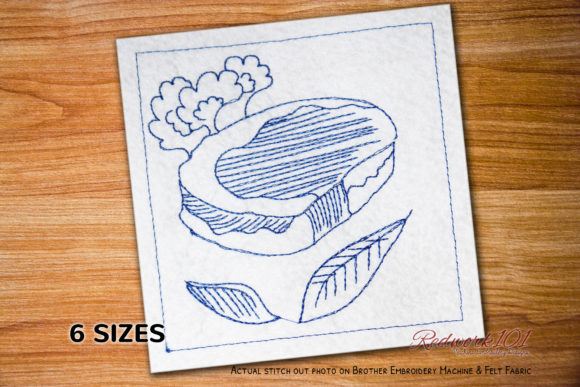
Bison Meat Chop: A Bold Food Motif for Embroidery Projects
As an embroidery designer who spends countless hours digitizing and stitching for both personal clients and commercial listings, I am always on the lookout for design assets that offer versatility without sacrificing quality. Recently, I came across the Bison Meat Chop machine embroidery design on Creative Fabrica. With the growing trend of rustic cabin decor, hunting-themed apparel, and unique foodie gifts, a design like this holds significant potential for small business owners and crafters looking to expand their product lines. This review breaks down the visual appeal, practical application, and commercial viability of this specific embroidery file based on a professional evaluation.
First Impressions and Visual Mood
The immediate standout feature of the Bison Meat Chop is its distinct personality. In the world of Food themed Embroidery, many designs lean towards cute, cartoonish aesthetics or hyper-realistic photography styles. This design, however, strikes a balance that feels rugged yet refined. The visual mood suggests a connection to nature, outdoor cooking, and hearty meals, making it an excellent candidate for projects targeting men, outdoor enthusiasts, or those who appreciate a farmhouse aesthetic.
Upon closer inspection of the preview images, the detail level appears robust. The texture of the meat and the bone structure are rendered with a stitching personality that suggests a mix of fill stitch for the main body and potentially finer satin stitch or running stitch work for the outlining details. One crucial note mentioned in the product description is regarding the optional box stitch. The creator indicates that the outer box shown in pictures is often a different color and can be skipped directly in the machine settings if it is not part of the core design you wish to execute. This flexibility is a huge plus for designers who need to adapt a digital embroidery file to fit specific hoop constraints or customer preferences.
Real-World Application Scenarios
When evaluating a new asset, I always ask myself: "Where would I actually use this?" For the Bison Meat Chop, the applications are surprisingly diverse beyond just kitchen linens. Here is how this design could perform in real embroidery work:
- Custom Apparel: This motif is perfect for sweatshirt embroidery on the lower left chest or as a large back graphic on a flannel shirt. It fits the current trend of "cabin core" fashion.
- Tote Bag Design: A grocery tote or a farmer's market bag featuring this design adds a humorous and practical touch for customers who buy organic or local meats.
- Aprons and Kitchen Towels: As a classic food item, it naturally belongs on aprons for the grill master or decorative kitchen towels, adding character to a culinary space.
- Embroidered Patches: If the file size allows, this could be stitched onto twill fabric to create iron-on or sew-on patches for hats and jackets.
- Nursery Decor: For a rustic-themed nursery, this could be a whimsical addition to a pillow cover or wall hanging, especially for families who love the outdoors.
- Etsy Listings: Handmade shop owners can use this to create seasonal gifts for Father's Day, birthdays, or housewarming presents for new homeowners.
Technical Considerations for Production
While the aesthetic is strong, a professional review must address the technical realities of stitching. Before committing to a full production run or a custom order, there are several factors to consider regarding the Bison Meat Chop.
Fabric and Stabilizer Choices: Given the subject matter, this design will likely look best on textured fabrics like canvas, denim, or heavy cotton twill. However, if you plan to use it on stretchy fabric like a sweatshirt or a cap, proper stabilization is non-negotiable. A cut-away stabilizer is recommended for garments that will undergo frequent washing to prevent the dense areas of the design from puckering over time. For caps, remember that curved surfaces require careful hooping; ensure the design fits within the usable area of your cap frame without hitting the seam.
Stitch Density and Thread Colors: Food designs often rely on subtle shading to look appetizing rather than abstract. You must check the stitch density of the file once downloaded. If the fill areas are too dense, they may become stiff or cause thread breaks, especially on smaller hoops. Additionally, thread color contrast is vital. On dark fabrics, you may need to adjust the underlay or choose lighter thread shades to ensure the details of the chop and bone pop effectively. Always compare light and dark fabric mockups before finalizing your product photos.
Hoop Size Constraints: Since the product description mentions an optional box, verify the dimensions of the core design against your available hoop sizes. If you are working with a small 4x4 hoop, you might need to skip the border elements entirely. Always confirm the specific hoop size requirements listed on the Creative Fabrica product page, as these are not always immediately visible in thumbnail previews.
Enhancing Product Value and Brand Trust
Incorporating high-quality designs like Bison Meat Chop into your inventory can significantly affect your product value. For handmade product sellers, the uniqueness of the design contributes to brand consistency. If your brand focuses on rustic, natural, or culinary themes, this asset reinforces that identity. High-quality stitching builds buyer trust; a clean, well-executed embroidered patch or applique design signals professionalism.
Furthermore, the visual appeal of this motif translates well into product photography. The distinct shapes and textures make for engaging images on social media and Etsy listings, potentially driving higher customer engagement. Whether used as a personalized gift element or a standalone decorative piece, the "giftability" factor is high due to its niche yet relatable subject matter.
Final Verdict and Best Practices
The Bison Meat Chop offers a solid opportunity for creative entrepreneurs to tap into the food and lifestyle markets. Its versatility allows it to move seamlessly from a kitchen towel to a boutique merchandise item. However, success lies in the preparation.
Before selling finished items, adhere to these practical embroidery notes:
- Test on Scrap Fabric: Never stitch a final product without a test run. Check how the threads interact with your specific material.
- Inspect Small Details: After stitching, examine the fine lines and edges. Ensure there are no jumps or loose threads that compromise the look.
- Review Licensing: Always confirm file details and licensing terms on the Creative Fabrica product page. Understand the rules regarding commercial embroidery products to ensure you are compliant when selling your finished goods.
- Check File Formats: Ensure the download includes the correct formats for your specific machine to avoid conversion issues that might alter stitch count or quality.
In conclusion, if you are looking to add a touch of rugged charm to your catalog, this design is worth considering. By paying attention to stabilizer choices, thread contrasts, and licensing details, you can transform this digital asset into a profitable and beautiful physical product.