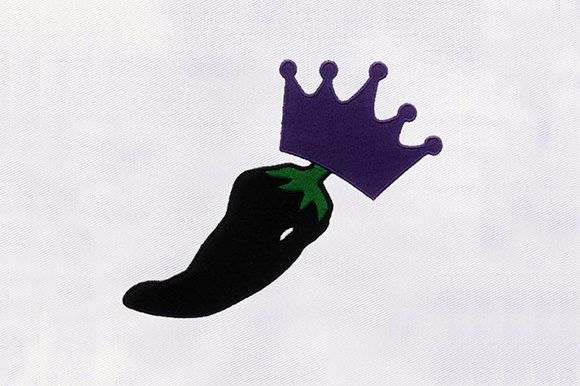
King Chili: A Bold Statement for Your Craft Fair Booth
As an embroidery designer who has spent countless weekends setting up booths at local craft fairs and handmade markets, I know that the difference between a browsing customer and a buyer often comes down to one thing: visual impact. When I first pulled up the King Chili machine embroidery design on my screen, my immediate reaction was that this piece has serious potential for the upcoming market season. In a sea of generic florals and overused quotes, a bold food-themed graphic like this cuts through the noise. It feels modern, slightly rustic, and undeniably fun, hitting that sweet spot for customers looking for unique kitchen decor or statement accessories.
First Impressions and Market Appeal
The title King Chili suggests a design that commands attention. Whether it features a crowned pepper or a stylized graphic representation, the concept leans heavily into the current trend of whimsical kitchen art. For a craft fair seller, this is gold. Food categories in embroidery are perennial bestsellers because they appeal to a wide demographic, from the home cook who loves hosting dinner parties to the young adult decorating their first apartment. This design does not feel overly elegant or delicate; instead, it projects a vibe that is bold, decorative, and ready to be used. It fits perfectly into the "farmhouse chic" or "modern eclectic" aesthetic that dominates Etsy shops and boutique makers' collections right now.
Strategic Product Placement for Maximum Sales
When planning my table display for a weekend market, I am always thinking about where a specific embroidery file will perform best. King Chili is versatile, but it shines brightest on specific handmade products.
- Tote Bags: This is likely the strongest contender. A large format of King Chili centered on a natural canvas tote creates an instant tote bag design that acts as a walking advertisement. Customers love functional art, and a chili theme implies warmth and spice, making it a great gift item.
- Aprons and Tea Towels: As a kitchen towel embroidery or apron embroidery, this design adds personality to utilitarian items. On a waffle-weave tea towel, the texture of the fabric can add depth to the stitches, provided the density is managed well.
- Patches and Caps: If the design scales down well without losing detail, it makes an excellent embroidered patch. Iron-on patches are low-cost, high-margin items that draw people to the booth. Similarly, on a curved cap surface, a simplified version of King Chili could be a top seller for foodies.
- Pillow Covers and Pouches: For higher-ticket items, placing this on a linen pillow cover or a zippered fabric pouch elevates the perceived value. It transforms a simple cushion into a focal point of a living room.
Production Realities and Stitch Quality
Before committing to batch production for a craft fair product line, I always evaluate the technical aspects of the file. The provided formats—ranging from DST and PES to ART and JEF—indicate this is a professional-grade digital embroidery file compatible with most commercial and home machines. However, compatibility is just the start. The real test is how the design handles different materials.
One must consider stitch density. If King Chili relies on heavy satin columns to create the shape of the chili, it may pull on lightweight fabrics like standard tea towels. In that case, using a cut-away stabilizer is non-negotiable to prevent distortion after washing. Conversely, if the design uses a fill stitch with a lighter density, it might breathe better on thicker fabrics like denim tote bags or canvas aprons.
Another critical factor is the thread colors. A chili design typically demands vibrant reds, greens, and perhaps golds for the "king" element. These colors need high contrast to pop against dark or neutral fabrics. If you plan to sell on black tote bags, ensure the red thread has enough sheen and brightness to stand out. On textured towels, small details might get lost, so it is wise to check if the design retains its clarity on looped fabrics versus smooth weaves.
Visual Merchandising and Online Presence
In today's hybrid selling environment, your booth display must translate to your online store. King Chili photographs exceptionally well because of its likely bold lines and distinct shapes. For an Etsy seller, creating a printable mockup or taking photos of the finished product in a styled kitchen setting can significantly boost engagement. The design serves as a strong visual hook in social media feeds, where users scroll quickly. A bright red chili stands out against the typical beige and white backgrounds of many handmade shops.
For booth displays, I recommend grouping items by theme. Create a "Spice Up Your Kitchen" corner featuring the apron, towels, and pot holders all sporting the King Chili motif. This creates brand consistency and encourages multiple-item purchases. It shows the customer that this isn't just a random sticker; it is a cohesive small shop product line with thought put into the curation.
Practical Notes for the Serious Maker
While the potential is high, caution is required during the production phase. Do not assume the design works perfectly out of the box on every material.
- Test on Scrap Fabric: Always run a test stitch-out on the exact fabric you intend to sell. What looks good on muslin might pucker on linen.
- Check Hoop Size: Verify the maximum dimensions of the design against your available hoop sizes. If King Chili is a large focal design, ensure you have a large enough hoop to execute it without re-hooping, which can cause alignment issues.
- Review Small Details: Look closely at any lettering or tiny crown details. If these elements are too small, they may break when stitched on textured fabrics or look muddy from a distance.
- Commercial Licensing: Before listing finished goods, confirm the licensing terms of the embroidery file. Ensure you have the rights for commercial embroidery sales, especially if you are a digital seller or running a full-time boutique.
Ultimately, King Chili represents the kind of spirited, character-driven design that builds a loyal customer base. It moves beyond simple decoration to become a conversation starter. By paying attention to fabric choice, stabilizer selection, and strategic placement on high-traffic items like totes and aprons, this design can become a cornerstone of your next market collection. It is a reminder that in the world of handmade goods, personality sells just as well as perfection.