Leprechaun Puff Design Review: A Craft Fair Best-Seller?
As an embroidery designer who has spent countless weekends setting up booth displays at local craft fairs and handmade markets, I know that the difference between a slow Saturday and a sold-out inventory often comes down to one thing: visual impact. When I first opened the Leprechaun Puff Design on my screen, my immediate thought was not just about the technical specs, but about how this piece would perform in the real world. Would it stop a shopper in their tracks? Would it translate well from a digital embroidery file to a tangible handmade product? After reviewing the details and imagining it on various substrates, I am ready to share my professional judgment on whether this design deserves a spot in your next production run.
First Impressions: Whimsy Meets Market Appeal
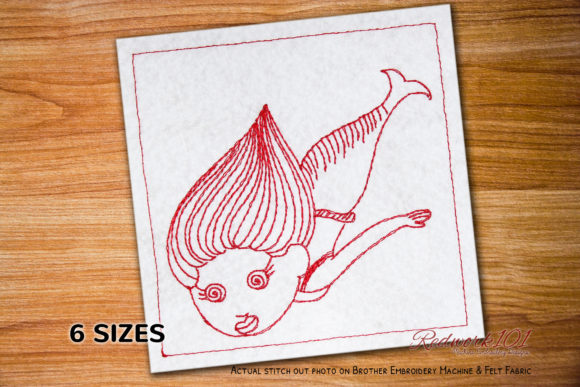
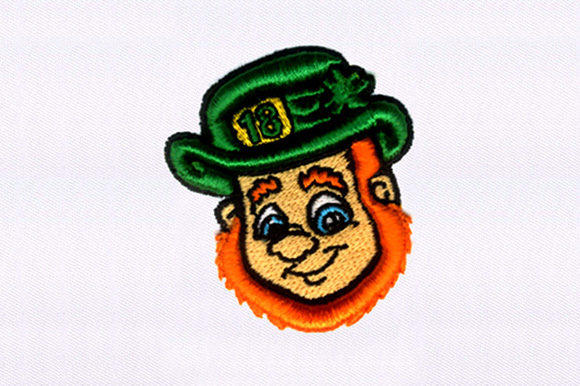
The title alone, Leprechaun Puff Design, suggests a specific aesthetic. It hints at something playful, slightly three-dimensional, and undeniably festive. In the realm of Fairy Tales and seasonal themes, customers are looking for charm without clutter. This design feels like it strikes a balance between cute and rustic. It is not overly elegant or minimal; rather, it leans into a fun, decorative style that screams "gift idea." For a craft fair seller, this is gold. Shoppers browsing a busy aisle need designs that communicate their theme instantly. A leprechaun motif immediately signals St. Patrick's Day, Irish heritage, or simply a love for whimsical folklore. The "puff" element implies texture, which is crucial because textured embroidery catches the light and invites people to reach out and touch your merchandise.
Product Versatility: Where This Design Shines
The true test of any machine embroidery design is its versatility across different products. Based on the available formats—ranging from DST and PES to EXP and JEF—this file is compatible with almost every major home and commercial machine, making it accessible for batch production. Here is how I see the Leprechaun Puff Design performing on key craft fair product categories:
- Tote Bags and Market Bags: This is likely the strongest contender. A canvas tote provides a flat, stable surface where the puff detail can truly pop. Placing this design centrally on a natural or green canvas bag creates an instant best-seller for spring markets.
- Aprons and Tea Towels: Kitchen linens are staple items for handmade shops. An apron embroidery featuring a cheerful leprechaun adds personality to a functional item. For tea towel embroidery, ensure the placement allows the design to be seen even when the towel is folded on a display rack.
- Caps and Hats: Curved surfaces are tricky. If the design is too wide or has dense stitch areas, it might pucker on a cap. However, if scaled correctly, it makes for a fantastic themed accessory.
- Embroidered Patches: Creating standalone patches is a huge trend. If the design has a clean border, it could be hooped on twill and cut out to create an embroided patch that customers can iron onto jackets or bags later.
- Pillow Covers and Pouches: These make excellent impulse buys. A small zippered pouch with this design is a perfect low-cost entry point for customers who want a taste of your brand.
Production Realities and Practical Selling Points
When preparing for a weekend market, efficiency is everything. You need a design that is easy to understand at a glance and repeatable for batch production. The Leprechaun Puff Design appears to have a clear focal point, which is essential for photography. When creating your printable mockup or taking photos for your Etsy seller listings, a design with distinct shapes and potential texture photographs beautifully. It stands out against the noise of social media feeds.
However, we must discuss the practicalities of the "puff" aspect. Puff embroidery typically involves using a special foam underlay that expands when heated, or it relies on specific satin stitch techniques to create height. This affects your stitch density. High-density areas look premium but take longer to stitch and use more thread. Before committing to a large run, you must calculate your time per unit. Does the increased perceived value of the 3D effect justify the extra machine time? In my experience, yes. Customers perceive textured embroidery as higher quality and are often willing to pay a premium for a finished product that feels substantial.
Careful-Use Notes for the Professional Maker
While the design offers broad compatibility with formats like VIP, VP3, and XXX, there are technical hurdles to clear before hooping up. First, consider fabric texture. Terry cloth towels or heavily textured linen can obscure fine details. If the leprechaun has tiny facial features or small lettering, these might get lost on rough fabrics. Always test on a scrap piece of your actual inventory fabric.
Secondly, watch your thread colors. Leprechaun themes usually demand vibrant greens, oranges, and skin tones. Ensure your thread chart matches the preview. On dark fabrics, you may need an additional underlay layer to prevent the fabric color from bleeding through the lighter threads, which can dull the vibrancy of the design. Furthermore, if you plan to use this on curved surfaces like caps, verify the hoop size limitations. Some machines struggle with large hoops on cap frames, so you may need to resize the design or split it if it exceeds standard dimensions.
Maximizing Visual Appeal and Brand Consistency
In a crowded marketplace, your booth display strength relies on cohesion. Using the Leprechaun Puff Design across a coordinated collection—matching tote bags, aprons, and pillows—creates a powerful visual wall of color that draws buyers in. It reinforces your brand as a creator of thoughtful, themed small shop products. The whimsical nature of the design encourages buyer engagement; people smile when they see it, and a smile often leads to a sale.
For those selling digital embroidery file assets rather than finished goods, this design serves as an excellent addition to a Fairy Tales collection. Ensure you clearly list the included formats (ART, CND, DSB, etc.) in your listing description so commercial embroidery buyers know exactly what they are getting.
Final Designer Recommendations
Before you list this as a craft fair product or upload it to your online store, follow these essential steps:
- Test on Scrap Fabric: Never skip the stitch-out. Check how the puff element behaves after washing.
- Check Thread Contrast: Ensure the design reads well from a distance of five feet.
- Review Spacing: Make sure elements aren't so close that they merge during stitching.
- Confirm Hoop Size: Verify the design fits your most commonly used hoops to avoid re-hooping delays.
- Inspect Stitch Density: Adjust tension if the fabric puckers, especially on lighter materials.
- Use the Right Stabilizer: Puff designs often require cut-away stabilizer for long-term durability.
- Create a Real Mockup: Photos of the actual stitched item sell better than digital renderings.
- Compare Fabric Colors: See how the design looks on cream versus black versus green fabric.
- Confirm Licensing: Always double-check the license terms regarding commercial embroidery sales before selling finished products made from this file.
The Leprechaun Puff Design has all the markers of a successful market item: it is thematic, visually engaging, and adaptable. With careful attention to fabric choice and production details, it can become a standout piece in your handmade product lineup, driving both foot traffic at fairs and clicks in your online shop.