Review: 1940 Indian Chief Bluework for Custom Apparel
As an embroidery designer who spends most of my days digitizing and stitching for small business clients, I am always on the lookout for design assets that offer both historical charm and technical reliability. Recently, I evaluated the 1940 Indian Chief Bluework available on Creative Fabrica with a specific commercial project in mind. When you work in the Transportation category of Embroidery, accuracy matters. Customers who love vintage motorcycles or classic Americana expect a certain level of detail that generic clip-art style stitches simply cannot deliver. This review breaks down whether this machine embroidery design is ready for your next finished product.
First Impressions and Visual Mood
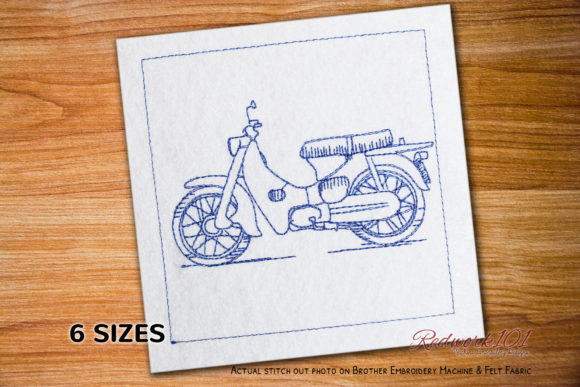
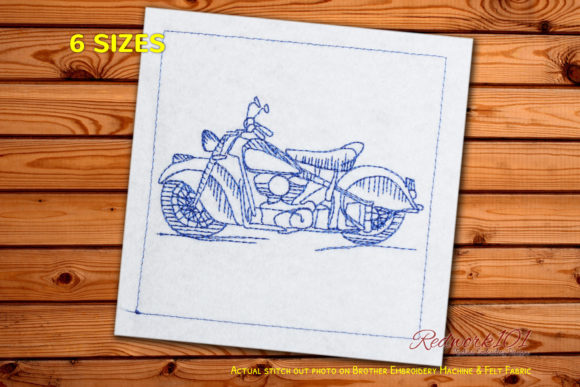
The moment I loaded the preview of the 1940 Indian Chief Bluework, the aesthetic was immediately clear. It captures the nostalgic essence of mid-century Americana without feeling cluttered. The "Bluework" style suggests a monochromatic or limited palette approach, which is excellent for maintaining a clean, vintage look on various garments. One specific detail noted in the product description is that the box stitch shown in promotional images is optional. This is a crucial feature for professional use. Often, pre-made embroidery files come with bounding boxes or frames that limit where you can place the design. Knowing that the outer box color can vary or be excluded gives us the flexibility to integrate the motif seamlessly into custom layouts.
The stitching personality appears to rely heavily on classic techniques. You can expect a combination of satin stitch for the bold outlines and definition, paired with fill stitch areas to create depth in the motorcycle details. There may also be elements of running stitch for finer textures or shading. For a designer, this mix is ideal because it translates well across different fabric weights, from heavy denim to lighter cotton blends.
Real-World Application Scenarios
I considered several real-case scenarios before deciding if this design fits my current workflow. The 1940 Indian Chief Bluework is versatile enough for a wide range of handmade products. Here is how it performs in specific applications:
- Custom Apparel: This design shines on the back of a denim jacket or the chest pocket of a work shirt. The vintage theme pairs perfectly with rugged fabrics.
- Tote Bag Design: For eco-friendly shoppers, stitching this onto a canvas tote creates a statement piece. The bluework style ensures high contrast against natural beige canvas.
- Sweatshirt Embroidery: Placing this on a crewneck sweatshirt offers a retro streetwear vibe. However, one must be mindful of the fabric texture.
- Embroidered Patch: Because the design likely has defined edges, it is an excellent candidate for creating cut-out patches that can be ironed or sewn onto hats and bags later.
- Nursery Decor: Surprisingly, this transportation theme works beautifully in a boy's nursery on pillow covers or wall hangings, provided the color palette is softened.
For Etsy sellers and boutique owners, this design adds immediate value. It allows you to tap into the niche market of motorcycle enthusiasts and vintage collectors without needing to digitize a complex vehicle from scratch.
Technical Considerations for Production
While the visual appeal is strong, a professional review must address the technical execution. When working with any digital embroidery file, especially one depicting mechanical details like a 1940s motorcycle, stitch density is the first thing I check. High-density areas can cause puckering, particularly on stretchy fabrics like jersey knits used in t-shirts or baby items. If you plan to use this on a sweatshirt or a cap, you must test the design on scrap fabric first.
Curved surfaces, such as the front panel of a baseball cap, present a unique challenge. The 1940 Indian Chief Bluework features intricate lines that could distort if the fabric shifts during stitching. Using a high-quality stabilizer is non-negotiable here. For caps, a stiff buckram stabilizer is essential to keep the design flat. Similarly, if you are stitching on dark fabric, you need to verify the thread colors. The default bluework might get lost on navy or black materials unless you adjust the thread map to include lighter shades or metallic threads for contrast.
Another practical note involves the optional box stitch mentioned in the description. If you intend to create an appliqué design effect or frame the image within a larger composition, ensure you know how to toggle that element in your embroidery software. Not all machines allow easy editing of built-in blocks, so checking the file format compatibility with your specific machine is vital before starting a customer order.
Impact on Brand and Product Value
Using high-quality designs like the 1940 Indian Chief Bluework directly affects buyer trust. In the world of commercial embroidery, sloppy stitching or poorly chosen designs can ruin a brand's reputation. This design offers a polished, professional look that elevates the perceived value of the item. Whether it is a personalized gift for a father's birthday or part of a larger collection for a craft fair, the attention to detail in the motorcycle rendering signals quality to the end consumer.
Furthermore, the aesthetic consistency helps with product photography. A clean, well-defined embroidery design photographs better for printable mockup creation and online listings. Clear lines and balanced spacing make the product pop on screens, driving higher customer engagement and click-through rates for your shop.
Final Verdict and Best Practices
Is the 1940 Indian Chief Bluework worth downloading? For designers looking to expand their portfolio in the transportation niche, absolutely. It saves hours of digitizing time while providing a historically accurate and visually striking motif. However, success depends on proper preparation.
Before running a production batch, follow these steps:
- Test on Scrap: Always stitch a sample on the exact fabric you intend to sell. Check for puckering or thread breaks.
- Check Hoop Size: Confirm the design dimensions fit your available hoops, especially if working on smaller items like baby bibs or pockets.
- Review Licensing: Visit the Creative Fabrica embroidery product page to confirm the license terms. Ensure you are compliant regarding the number of physical items you can sell.
- Adjust Thread Colors: Don't rely solely on default settings. Customize the thread chart to match your brand's color story or the specific garment color.
- Inspect Small Details: After stitching, examine the fine lines of the motorcycle engine and wheels. If they appear jagged, you may need to adjust tension or stabilizer type.
In conclusion, the 1940 Indian Chief Bluework is a robust asset for creating custom apparel and home decor. With careful attention to stitch density, fabric choice, and stabilization, it can become a staple in your library of best-selling items. It bridges the gap between vintage nostalgia and modern manufacturing, making it a smart choice for serious creative entrepreneurs.