Review: Wax Worm Lineart Design for Boutique Apparel
As an embroidery designer constantly scouting for unique assets to elevate a boutique clothing line, I recently took a close look at the Wax Worm Lineart Design available on Creative Fabrica. When building a cohesive collection for an online shop, every stitch counts. This specific design caught my eye because it sits right at the intersection of trendy nature motifs and clean, modern line art. For those of us creating custom apparel, finding a bug-themed design that feels sophisticated rather than childish is often a challenge. This review breaks down how this digital embroidery file performs in real-world production scenarios, from cozy hoodies to structured denim jackets.
Visual Personality and Stitching Mood
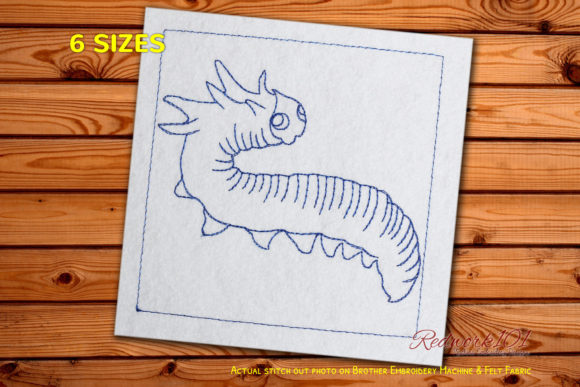
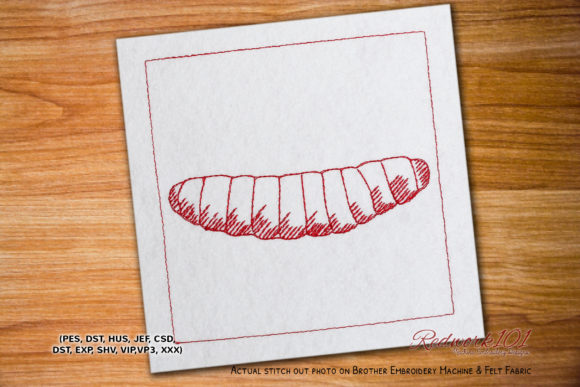
The first thing you notice about the Wax Worm Lineart Design is its simplicity. In the world of machine embroidery design, less is often more, especially when targeting a mature or fashion-forward audience. The line work appears crisp, suggesting a design that relies on flow and contour rather than heavy fill stitches. This gives it a premium, minimalist aesthetic that works exceptionally well for a boutique brand looking to establish a recognizable visual identity.
The mood of this piece is playful yet grounded. It avoids the cartoonish trap that many insect designs fall into, opting instead for a sketch-like quality that feels handmade and organic. Whether you are aiming for a rustic vibe or a modern streetwear look, this design offers enough versatility to adapt. The lack of excessive density means it won't weigh down lightweight fabrics, making it an excellent choice for t-shirts and breathable summer tops where comfort is paramount.
Ideal Applications for Sweatshirts and Hoodies
When planning a seasonal drop of oversized garments, placement is everything. I envision the Wax Worm Lineart Design working beautifully as a small chest accent on neutral sweatshirts. A cream or oatmeal-colored hoodie provides the perfect canvas, allowing the thread colors to pop without overwhelming the garment. Because the design is line-based, it integrates seamlessly with the texture of fleece and French terry, avoiding the stiffness that dense satin columns can sometimes cause on soft knits.
For a bolder statement, consider scaling this up for a back design on a heavyweight zip-up. The linear nature of the artwork ensures that even at a larger size, the stitch count remains manageable, reducing production time and thread usage. Sleeve accents are another strong possibility; a small iteration of the wax worm near the cuff adds a subtle detail that encourages closer inspection, a tactic that often drives engagement on social media graphics and lifestyle product photos.
Versatility Across Different Garments
Beyond knitwear, this embroidery file shows promise on woven fabrics. On a denim jacket, the contrast between the rugged fabric texture and the delicate line art creates a striking visual tension. It also translates well to tote bags, where durability is key. Since the design does not rely on complex shading, it maintains its integrity even after repeated washing and wear, which is crucial for maintaining buyer trust in a handmade product.
For Etsy sellers and creative entrepreneurs, the ability to use one design across multiple product types increases the perceived value of your shop. You can create a cohesive "nature collection" featuring this motif on tees, hats, and bags, ensuring visual consistency across your catalog. This consistency helps customers instantly recognize your brand, fostering loyalty and repeat purchases.
Technical Considerations and Fabric Challenges
While the aesthetic appeal is high, practical execution requires attention to detail. When working with stretchy fabrics like ribbed cuffs or high-stretch jersey, the stability of the design is paramount. Line art can sometimes distort if the fabric shifts during stitching. Therefore, selecting the correct stabilizer is non-negotiable. I recommend testing a cut-away stabilizer for garments that will undergo frequent stretching to prevent the lines from wavering over time.
Dark garments present another consideration. If the Wax Worm Lineart Design utilizes light thread colors, ensure there is sufficient underlay or consider using a topping if the fabric pile is high, such as on thick fleece. The product description notes that "The Box Stitch shown in picture is optional," which is a helpful feature. It allows you to skip the outer box color if it clashes with your garment or if you prefer a floating design effect. Always confirm the specific thread colors used in the preview against your physical thread chart to ensure accurate color matching before starting production.
Important Designer Notes for Production
Before committing to a full run of commercial embroidery products, adhere to these best practices:
- Test on scrap fabric: Always stitch out the design on the exact same material and weight as your final product to check for puckering.
- Check stabilizer choice: Match the stabilizer to the fabric stretch; tear-away for stable wovens, cut-away for knits.
- Review thread color contrast: Ensure the chosen threads stand out against the garment color, especially for line art which relies on visibility.
- Confirm hoop size: Verify that the design fits within your machine's hoop capabilities, particularly if planning large back placements.
- Inspect stitch density: Look for areas where lines might be too close together, which could cause thread breaks or bird nesting.
- Compare placement options: Mock up the design on the left chest, center chest, and sleeve to see which offers the best balance.
Enhancing Brand Value and Customer Engagement
Incorporating unique elements like the Wax Worm Lineart Design can significantly affect your apparel's perceived value. Customers are increasingly drawn to items that feel curated and distinct from mass-market offerings. By utilizing a specific niche motif like a wax worm, you signal to your audience that your small shop product line is thoughtful and trend-aware. This specificity helps in building a narrative around your brand, making your marketing efforts on platforms like Instagram or Pinterest more effective.
Furthermore, the clean lines of this design make it ideal for creating high-quality printable mockups. Even before the physical item is stitched, you can generate compelling visuals for your listings that accurately represent the final look. This transparency builds confidence in potential buyers, reducing return rates and increasing conversion.
Final Thoughts on Licensing and Details
One critical aspect of using assets from Creative Fabrica is understanding the licensing terms for commercial embroidery. While this design appears suitable for finished goods, always read the specific license included with the download to ensure you are compliant regarding the number of items you can sell. Additionally, the product description mentions that file formats and specific stitch counts are not explicitly detailed in the short summary. It is vital to visit the product page to confirm compatibility with your embroidery machine and to download the correct file formats (such as PES, DST, or JEF) before beginning your project.
In conclusion, the Wax Worm Lineart Design is a versatile asset for the modern embroidery designer. Its blend of minimalism and character makes it a strong contender for boutique apparel collections. With careful attention to stabilizer selection and placement, this design can help elevate a standard sweatshirt into a standout piece that resonates with customers looking for something unique and well-crafted.