Cute Little Bumble Bee Sketch: A Designer's Review
As an embroidery designer who spends most of my days digitizing logos and testing files for commercial clients, I am always on the lookout for versatile machine embroidery design assets that bridge the gap between whimsical charm and professional utility. Recently, I had the opportunity to review the Cute Little Bumble Bee Sketch, a file marketed specifically for quick stitching and multi-size applications. For small business owners, boutique operators, and apparel decorators, finding a design that works as both a standalone logo and a subtle brand accent is rare. This review evaluates how this specific sketch-style bee performs in real-world commercial scenarios, from branded patches to staff uniforms.
First Impressions: The Handmade Aesthetic
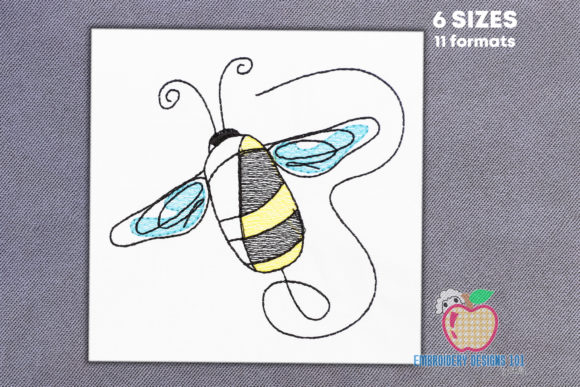
The immediate visual impact of the Cute Little Bumble Bee Sketch is its approachable, hand-drawn personality. Unlike rigid, vector-perfect corporate logos, this design leans heavily into a rustic and playful aesthetic. The description notes that these are "not 100 filled," which suggests an open, airy stitch structure rather than a dense, solid block of thread. For a modern brand, this is a significant advantage. It signals a handmade product vibe that resonates deeply with customers of bakeries, florists, pet brands, and creative studios. The sketch style implies movement and organic growth, making it feel less like a stamped corporation and more like a local neighbor. However, from a technical standpoint, an open sketch design requires careful attention to thread colors and fabric choice to ensure legibility.
Real-World Business Applications
The true test of any digital embroidery file is its versatility across different merchandise categories. Here is how the Cute Little Bumble Bee Sketch holds up in various small business contexts:
- Embroidered Patches: This is arguably the strongest use case. The sketch style translates beautifully to a PVC or fabric patch. Because the design is not fully filled, it remains lightweight and flexible, preventing the "cardboard" effect often seen with heavy saturation. A bakery could use this as a chest patch on aprons or a sleeve detail on chef coats.
- Custom Apparel and Uniforms: For cafes and boutiques, staff uniforms need to look professional yet friendly. Placing this bee on the left chest of a polo shirt or the front of a cap adds a touch of warmth. The multiple sizes mentioned in the product details allow for scaling the design down for a subtle pocket accent or scaling it up for a back-of-shirt statement.
- Tote Bag Design: Canvas tote bags are a staple for retail shops. The open nature of the sketch allows the texture of the canvas to show through, creating a premium, integrated look rather than a heavy plastic-like layer of thread on top of the fabric.
- Product Packaging Accents: Small businesses often sell handmade goods like soaps or candles. A small version of this bee stitched onto a fabric tag attached to the packaging elevates the perceived value of the item instantly.
Technical Considerations for Production
While the aesthetic is charming, executing the Cute Little Bumble Bee Sketch requires technical diligence. The product description mentions it comes in multiple sizes, but it does not specify exact stitch counts or hoop dimensions. As a professional, I advise checking these details before committing to a large production run. Here are critical factors to consider:
- Stitch Density and Fabric Texture: Since the design is not 100% filled, it relies on the underlying material for contrast. On dark uniforms, you must ensure there is enough underlay or a light-colored backing to prevent the dark fabric from swallowing the sketch lines. Conversely, on textured fabrics like Terry cloth or heavy canvas, the open stitches might get lost if the thread weight is too fine.
- Small Patch Sizes: If you intend to use this for tiny labels or keychains, verify the minimum viable size. Sketch designs can lose definition if scaled down too far, causing individual stitches to merge and blur the outline of the bee.
- Curved Surfaces: Cap embroidery presents unique challenges. The front panel of a cap is curved, which can distort open designs. It is essential to test the design on a actual cap blank with the appropriate stabilizer to ensure the bee does not pucker or warp during the wash cycle.
- Wash Durability: Items like aprons and work shirts undergo frequent washing. An open sketch design is generally more durable against cracking than a solid fill, but the perimeter stitching must be secure. Always test a sample through at least five industrial wash cycles before selling to clients.
Impact on Brand Identity and Customer Trust
In the current market, brand identity is about connection. A stiff, overly corporate logo can create distance, whereas a sketch-style bee invites engagement. Using the Cute Little Bumble Bee Sketch as a central asset in your small business merch strategy communicates transparency and approachability. It tells the customer, "We are real people making real things." This visual consistency across your website, your physical store, and your employee uniforms builds trust. When a customer sees the same friendly bee on your website's printable mockup, your social media, and the tote bag they just bought, it reinforces recognition. Furthermore, for Etsy sellers and crafters, this type of design asset helps differentiate products from mass-produced imports, justifying a higher price point based on the perceived craftsmanship.
Professional Designer Notes and Best Practices
Before integrating this design into your commercial workflow, I recommend following this checklist to ensure the highest quality finished product:
- Test in Black and White: Before selecting your brand colors, stitch the design out in black thread on white fabric and vice versa. This reveals if the sketch lines hold up without the crutch of color contrast.
- Verify Commercial Licensing: The product description hints at business use, but always confirm the specific license terms. Ensure you have the right to use the file for unlimited commercial production if you plan to sell hundreds of patched items.
- Check Hoop Size Compatibility: Confirm that the largest size provided fits within your machine's maximum hoop area. Running out of space mid-design is a costly error.
- Create Client Mockups: Use the provided images to create realistic mockups for client approval. Show them how the bee looks on a dark navy apron versus a natural canvas tote to manage expectations regarding thread visibility.
- Review Thread Contrast: For the "sketch" effect to work, the thread color must stand out against the garment. Avoid low-contrast combinations (like yellow thread on gold fabric) unless a specific tonal look is desired.
In conclusion, the Cute Little Bumble Bee Sketch is a potent tool for businesses looking to inject personality into their branding. While it requires thoughtful application regarding fabric choice and sizing, its ability to function as a cohesive element across patches, apparel, and accessories makes it a valuable addition to any embroidery library. By respecting the technical nuances of open-stitch designs, small business owners can leverage this asset to create memorable, high-quality merchandise that truly reflects their brand's spirit.